


By Dr. D. K. Gupta
The tragic death of a 14-year-old boy in Ghaziabad, Uttar Pradesh, due to rabies has drawn attention to the importance of not neglecting dog bites and taking immediate remedial action. The teenager had been bitten by his neighbor's dog a month ago but had kept it a secret from his parents. It was only when he started exhibiting abnormal behavior that the family discovered the truth. He developed a fear of water and wind, preferring to stay indoors in the dark. Despite their frantic efforts to seek treatment, the boy tragically passed away in his father's arms in an ambulance.
Rabies remains a significant public health concern in India, with 36% of all global rabies-related deaths occurring in the country. Annually, rabies is responsible for 18,000 to 20,000 deaths in India, and shockingly, a substantial portion of these cases involves children under the age of 15. Unfortunately, bite marks in children often go unnoticed and unreported.
Dogs are the primary culprits, accounting for approximately 97% of human rabies cases in India. Cats contribute to 2% of cases, while jackals, mongooses, and other animals account for the remaining 1%. Rabies is endemic throughout the country.
What Is Rabies?
Rabies is a viral disease transmitted from infected animals to humans. While it primarily affects animals, it can be transmitted to humans through bites or scratches from infected animals. The virus resides in the saliva of infected animals, and when they bite a human, the virus is passed on. Infections can also occur if infected saliva comes into contact with a person's eyes, mouth, or open wounds. Symptoms typically manifest in humans after several months to years, but in most cases, they appear within 1 to 3 months.
How Does Rabies Spread?
Rabies spreads through the bite of an infected animal, with dog bites or scratches accounting for over 90% of cases.
Main Symptoms of Rabies
Rabies symptoms usually appear after an infected animal bite or within a few days, though they can take several days to years to manifest. Distinctive symptoms include:
Pain
Fatigue
Headache
Fever
Muscle stiffness
Restlessness
Irritability
Unusual thoughts
Weakness and paralysis
Increased saliva and tears
Hypersensitivity to light and sound
Difficulty speaking
Sudden, aggressive behavior
When the infection advances, additional symptoms may include:
Double vision
Difficulty moving mouth muscles
Abnormal muscle contractions in the abdomen
Excessive saliva and foaming at the mouth
Animals That Spread Rabies
Rabies can be transmitted to humans through the bites of dogs, monkeys, and cats, but it predominantly spreads through dog bites.
Treatment for Rabies
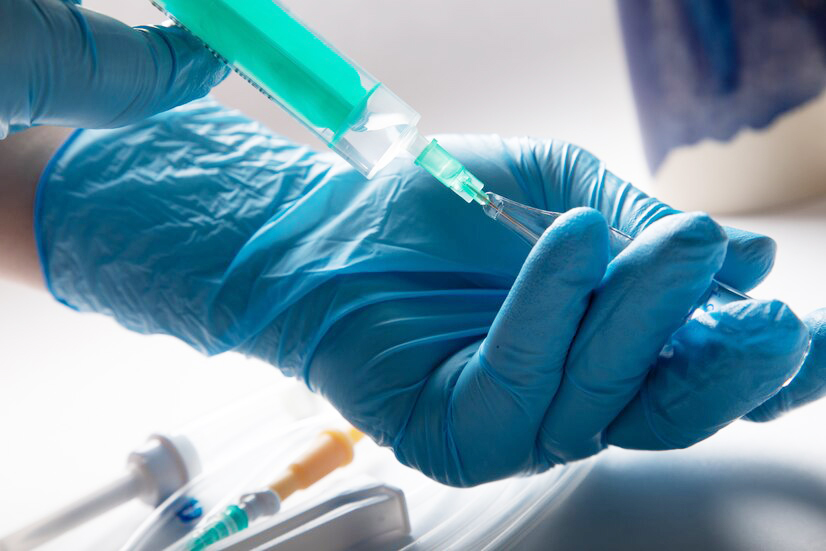
Once a rabies infection takes hold, there is no cure. While rare survivors exist, the disease typically results in death. If you suspect exposure to rabies, seek a series of vaccines immediately to prevent fatal consequences.
Precautions for Pet Owners
Proper pet care, including vaccination, is essential to prevent your pet from becoming a risk to others. Timely vaccination significantly reduces the chances of diseases like rabies.
What to Do If Bitten by a Dog
Following a dog bite, cleanse the wound thoroughly with detergent soap like Rin or Surf Excel. For deep wounds, wash with soap and apply Betadine ointment to reduce the impact of the rabies virus. Subsequently, administer rabies vaccine, antibodies, and tetanus injections as necessary within 24 hours, with the full course spanning 4-5 doses. Immunoglobulin should be applied to the bitten area within 48 hours. Failure to receive timely treatment can lead to complications.
What to Avoid After a Dog Bite
Avoid bandaging the wound after a dog bite, and refrain from applying oil, turmeric, or any household items to it. Instead, consult a doctor promptly after washing the wound to determine the appropriate treatment.
First Aid for Dog Bites
Immediate first aid is crucial after a dog bite. If there is no wound, wash the affected area with warm water and soap. You can also apply antibacterial lotion as a precaution. In case of a wound, clean it, apply antiseptic, and promptly seek rabies injection at a hospital.
The writer is a renowned pediatrician and chairman of one of Noida's largest hospitals, Felix Hospital

The BuckStopper, run by a group of seasoned journalists, holds the powerful accountable. The buck stops with them, as they cannot shrug off their official responsibilities.